D&D
How to Find a Beginner-Friendly Dungeon Master
JULY 01, 2026

The right Dungeon Master can make learning D&D fun and exciting. The wrong one can turn people off of the hobby faster that you can roll a D20.
The DM shapes so much about a first experience. An experienced DM who runs for new players can create an environment where new players feel supported.
Understanding how to find a DM who is a good fit for beginners is important to a healthy start in Dungeons & Dragons.
Why the Dungeon Master Matters So Much
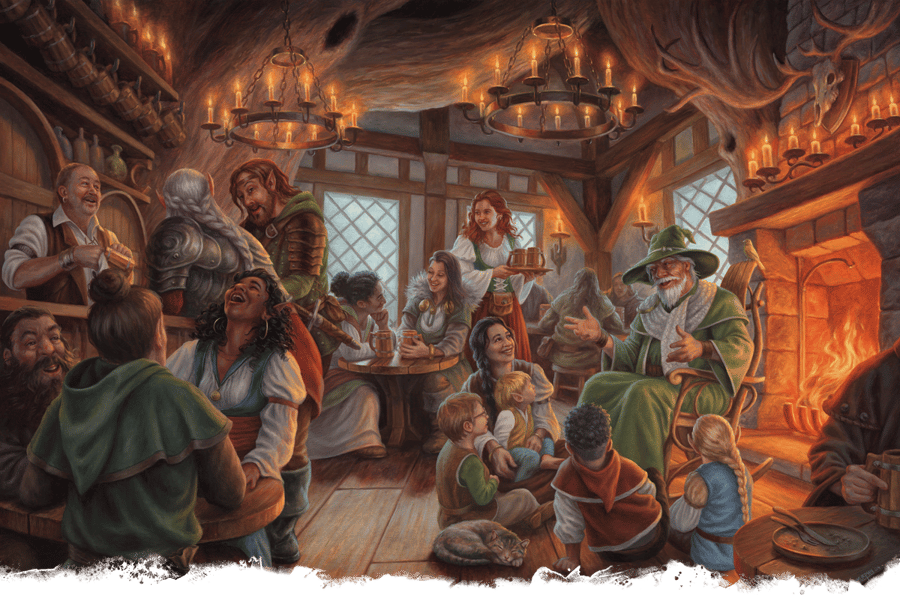
At a typical Dungeons & Dragons table, every player controls one character. The DM controls everything else.
They shape the world. They portray and roll for non-player characters (NPCs) and enemies. They control pacing and combat difficulty. They determine how strictly the rules are followed, and how mistakes are handled. They build the culture of the table.
With all that in mind, it’s no wonder that finding a DM that embraces beginners can be so important for new players.
What "Beginner-Friendly" Actually Means
A beginner-friendly DM doesn’t mean they’re easy on players. It means the DM actively supports players who are still learning, rather than just tolerating their presence at the table (or worse). They’ll still uphold the rules and follow the mechanics, but they’ll leave room for learning.
Here are some tells that help identify a DM who is truly beginner-friendly:
- They explain mechanics unprompted.
- They check in when a player seems stuck.
- They handle rules questions in a positive way.
- They treat mistakes as part of learning the game.
- They may even offer advice on strategies and tactics, such as helping a new player understand their options for actions in combat.
- They seem authentically happy to be helping new people join a hobby they love.
Some listings may call themselves beginner-friendly without being a good fit. Recognizing some of the signs of a beginner-friendly DM (and what to avoid) can help beginner players find the real thing.
How to Read a Roll20 LFG Listing
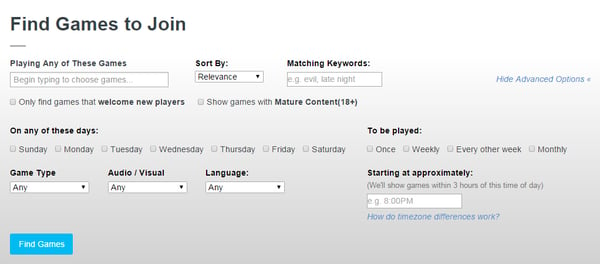
Roll20's Looking for Group tool is the most direct way to find a beginner-friendly DM online. Filter specifically for games that welcome new players.
The listing itself tells you a lot. A DM with an interest in new players often communicates this clearly: "new players welcome," "teaching game," and "beginner-friendly" are all good signs. A warm, detailed listing that explains the tone, the schedule, and what to expect is a good indicator of a beginner-friendly DM.
Pay attention to the logistics, like how long a D&D session lasts or how often the DM plans to host them. Clear understanding around time commitment helps newer players know what they're signing up for.
Some listings specify a minimum rules familiarity -- if you're a true beginner, those tables may not be the right fit just yet.
Questions to Ask Before You Join a D&D Group
Most beginner-friendly DMs expect to hear from you before the first session. A few questions worth asking:
- How do you handle rules questions during play?
- Do you host a Session Zero? (A dedicated pre-game session to align on expectations, characters, and table rules -- more common for multi-session adventures & longer campaigns.)
- If there isn’t a Session Zero, is there some other pre-game communication to ensure everyone’s synced up with characters, content, etc.?
- What experience level are the other players at the table?
- How would you describe the balance between roleplay and combat?
- What happens if someone needs to miss a session?
- Have you run adventures for new players before?
Their answers matter, but also pay attention to the way they reply. A DM who seems genuinely helpful before you commit is more likely to be a supportive DM to new players.
Green Flags for Beginner-Friendly DMs
In addition to being helpful and answering questions early, other signs a DM is genuinely welcoming to new players may include:

- They clearly communicate that they’re open to new players in their game listings.
- They offer a Session Zero or some other pre-game communication for the table to align.
- They encourage questions during play.
- They have positive feedback in Roll20 community forums.
DMs who seem proactive about welcoming new players are often the best ones to learn with. Many DMs find it fulfilling to welcome new players into the hobby, and they’re often the first to bring up topics common to beginners.
Red Flags for D&D Players to Watch for in a DM
Keep an eye out for patterns that may mark a DM as being unfriendly to beginners:
- Impatience or dismissiveness regarding questions – sometimes even before the game has begun.
- No mention of Session Zero or any kind of pre-game alignment conversation.
- Rigid expectations about rules knowledge, even from beginners.
- Vague or unwelcoming language in the listing itself.
- Pressure to commit quickly without time to ask questions first.
None alone is a dealbreaker, but when multiple of these behaviors stack up it becomes a pattern.
Some DMs may have a positive reputation for guiding beginners, but still sometimes choose to run tables for experienced players only. If you’re unsure if a DM is open to beginners for a specific adventure, just ask.
While D&D is generally a welcoming game and community, sometimes DMs just want to get deep into the adventure with experienced players who can hit the ground running. It’s not wrong for a DM to prefer experienced players, but it is a loss for the hobby if newcomers are pushed away by a DM who isn’t beginner-friendly.
Adventurers League vs. Home Games
If you prefer the idea of an in-person game, Adventurers League is the Dungeons & Dragons organized play program. AL is drop-in friendly, making it a low-stakes way to get your first sessions without committing to an ongoing group. Your local game shop likely hosts AL events, so this is a great place to start.
The tradeoff to this ease of entry is that Adventurers League DMs run standardized content. This leaves less room for a more adaptive style that can often be beneficial to new players. It's a reliable entry point, but a dedicated home-game DM with beginner experience is usually the better fit.
What to Do If a Table Isn't the Right Fit
It happens. One bad table is not a reflection of the hobby. D&D at its best is welcoming, collaborative, and fun. If your first table isn't, it’s okay to walk away.
Let the DM know that you’re stepping away from their table. Then, explore other DMs and their games using Roll20's Looking for Group tool with a clearer sense of what you need.
Ready to Start Looking?
Roll20's Looking for Group tool lets you filter for beginner-friendly games and connect with DMs actively looking for new players. New to D&D entirely? Our guide to finding your first game covers what you need to know before you start.