
D&D
How to Run a Session Zero for Dungeons & Dragons
MAY 15, 2026

Most new DMs pour their prep time into dungeon maps, NPC backstories, and encounter design. What the rulebooks can't do is get everyone at the table on the same page before the first dice are rolled. That requires a different kind of preparation.
That preparation is Session Zero.
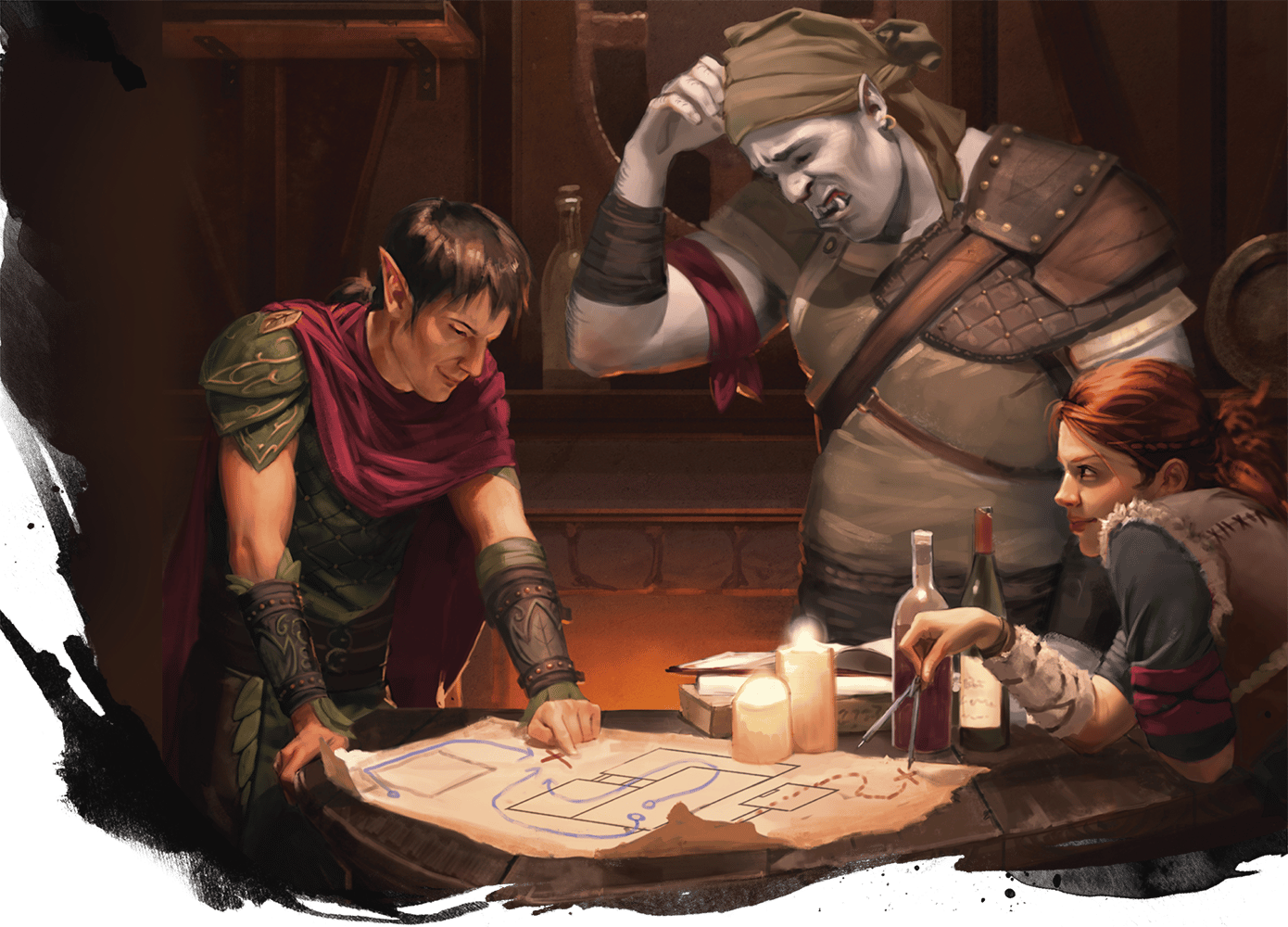
What is Session Zero in Dungeons & Dragons?
Session Zero is a meeting you hold before the first real session of your campaign. No combat, no dice, no adventure just yet; just the people at your table getting aligned on what kind of game you're all about to play together.
Tables that skip it tend to run into the same problems: characters that don't fit the world, a tone that doesn't match what anyone expected, or content that catches someone off guard in a way that genuinely upsets them. Session Zero is how you get ahead of all of that.
It isn't just for new groups or new DMs, either. Even experienced tables with years of history together benefit from these conversations when starting something new.
When to Hold Session Zero
The ideal timing for Session Zero is before characters are finalized.
Players make different choices about their characters once they know what world they're walking into. A player who knows the campaign is a gritty political thriller in a low-magic city is going to build a different character than one who thinks they're getting classic dungeon-crawling heroics. A well-run Session Zero gives players the information they need to fine-tune their characters to fit the world they're stepping into.
On Roll20, Session Zero works well as a standalone session in your campaign. Set up a game, invite your players, and use the video and voice tools to run the meeting the same way you'd run any other session. Some tables use a shared Roll20 handout to track decisions made during the meeting so everyone can refer back later. If you own compendium content on Roll20, you can also enable Compendium Sharing through your game settings so players can browse class descriptions, spell lists, and background options while building their characters -- a useful tool for groups that want to do character creation collaboratively during Session Zero itself.
What a DM Should Bring to Session Zero
You don't need to have everything figured out. You're not presenting a finished world, you're pitching a direction.
Before Session Zero, put together at least a loose plan regarding:
Your campaign premise. One or two sentences describing the core situation. Not the whole plot, just enough for players to understand what kind of story this is going to be.
Tone and genre. Is this hopeful adventure or dark survival horror? Comedy or tragedy? Political intrigue or monster-hunting action? Players deserve to know what they're signing up for before they build characters.
The world's rules. Are there any races or classes that don't exist in your setting? Is magic common or rare? Does your world have firearms? Surface-level stuff, but it shapes character creation significantly.
House rules. If you're running any rulings that differ from the standard 5e rules, say so upfront. Nobody should discover mid-session that you handle flanking differently than they expected.
The goal is to give players enough context to make meaningful choices. Try to find a balance between giving helpful information and maintaining some surprises for your table.
Planning, Administration & Logistics
The most important parts of Session Zero are often the most overlooked -- regardless of how much experience is at the table. Scheduling, communication, and pacing decisions seem straightforward until they aren't, and working through them before the campaign starts saves everyone a lot of friction later.
Scheduling. When are you playing? How long are sessions? What happens when someone can't make it? Establish a quorum policy now, before someone misses a session and the table has to figure it out on the fly. Three players out of five is a pretty standard threshold for "we play anyway."
Communication. Where does the group talk between sessions? A Roll20 forum thread, a Discord server, a group text? Pick one and use it. Groups that communicate between sessions have better continuity and catch problems early.
Session length and pacing. Four hours of D&D is very different from two. Some players have hard stops. Some DMs run long. Talk about it.
Lack of planning kills more campaigns than any TPK ever has.
Content and Boundaries
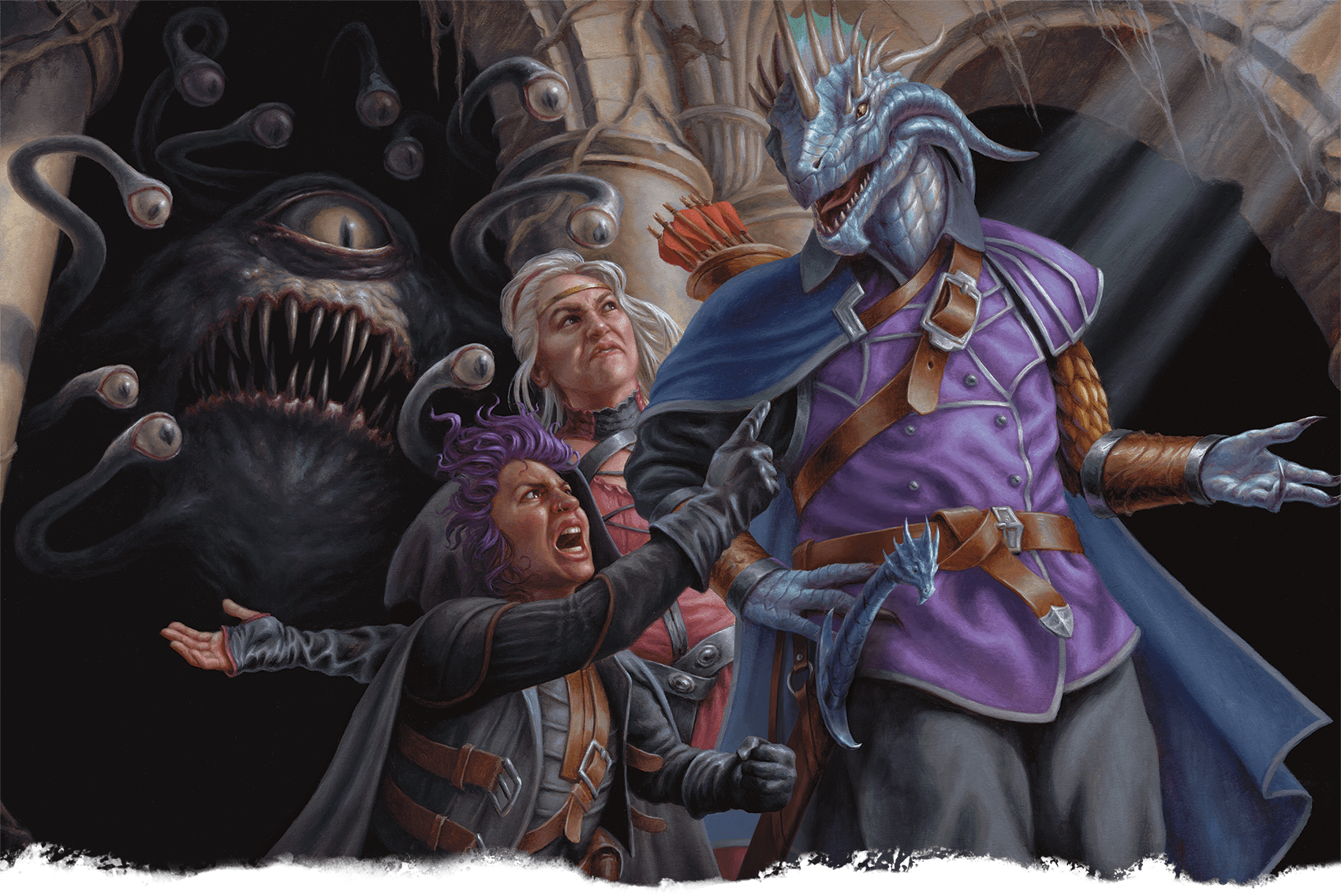
Asking your players what they're comfortable with is a sign of a confident, thoughtful DM. It also protects you and your party. If you're planning a campaign with dark themes and one player isn't in a place to engage with that content, you want to know now.
The two-part framework most experienced DMs use goes like this:
Lines
Lines are things that won't appear in the game at all. Full stop, no exceptions. These get established and then simply don't come up.
Veils
Veils are things that can happen in the story but won't be played out in detail. Violence can occur without being described graphically. Difficult topics can be part of the narrative without being dwelt on. The camera cuts away.
Sometimes the simple solution is just asking, "Is there anything you'd rather not have come up in the game?" That question gets you most of the way there.
Note that this works in both directions. Players might have content they want to avoid. DMs might have content they're not comfortable facilitating. Both are valid.
Roll20 includes a Safety Deck in every new game -- three anonymous cards that let any player signal to the table to keep going, slow down, or stop a scene without having to explain themselves. The infrastructure for in-session safety is already built in. For tables that want more, the free RPG Safety Tools add-on from Evil Hat Productions adds the X-Card, Script Change, and a Lines and Veils page directly to your campaign.
Character Creation and Concept Review

By the time Session Zero wraps, every player should have a much clearer picture of how well their character fits with the vision of the campaign.
This isn't about control. It's about making sure every character at the table has a reason to be there and something to do. A character whose entire backstory is "I work alone and don't trust anyone" is going to create problems in a game built around a party of heroes who need to function together.
A few things to check for:
Does the concept fit the setting? A high-tech artificer in a world where magic is forbidden is a problem if nobody flagged it.
Does the character have hooks you can use? Backstory details are gifts. A character with a lost sibling, a hometown that was destroyed, a mentor who disappeared -- any of those give you story material for months.
Does the party have a reason to be together? Players don't need elaborate shared backstories, but they need a plausible answer to "Why are these people traveling as a group?" Figure that out together before your first gameplay session.
Remember: some material is great to keep private between individual players and the Dungeon Master. Collaboration leading up to and after Session Zero can lead to some exciting reveals throughout an arc.
Session Zero is also a good time to walk players through the Roll20 character sheet they'll be using. A quick orientation -- where to find hit points, how spell slots are tracked, how to make a dice roll -- means nobody arrives at session one confused by the interface. Roll20's character sheet guide is a useful reference to share with your group ahead of time.
How to Connect D&D Characters to the World & Story
Session Zero works best as a two-way conversation. Players and the Dungeon Master can dig in together to hone characters to fit the scenario, setting, and specific location.
Here are some things worth discussing to get that conversation moving:
- A few things their characters would know about the world, but especially the region where the story kicks off
- Factions they'd be aware of
- Recent events that happened before the campaign starts
- A location or two that's relevant to their backstory
Then ask what details they want to add.
Something from a character backstory could end up being vital material for the arc overall, such as a rival who can become a recurring NPC. A character's hometown can become a vital location for the story. Collaboration engages players and gives DMs material to build upon.
How to Wrap Session Zero
By the end of the meeting, you should have a pretty clear idea about:
- Your arc's premise and setting
- Content expectations and boundaries from everyone at the table
- Logistics and communication channels
- Near-finalized character concepts
- A plausible reason the party is together
If you get all of that, you've laid a strong foundation for your group's adventure. Whether you're starting with a shorter arc or you're developing a full-blown Dungeons & Dragons campaign, Session Zero builds a better tabletop experience for everyone involved.
Ready to Get Started?
Roll20's Looking for Group tool makes it easy to recruit players who are already looking for exactly the kind of game you want to run. If you're ready to start your journey as Dungeon Master, our guide to the best 5e adventures for beginner DMs is a good next stop.