
D&D
How to Find Your First D&D Game
MAY 15, 2026

Most people who want to get started in Dungeons & Dragons hit the same barrier before they ever roll a die. Maybe they watched a few episodes of an actual play show, or a friend described a campaign that sounded fun.
They don't have a table, they don't know where to find one, and they're not sure how to ask.
D&D has never been easier to find or more welcoming to new players. The community is large, the tools are good, and there are more ways to enter the hobby than ever before.
Things to Consider
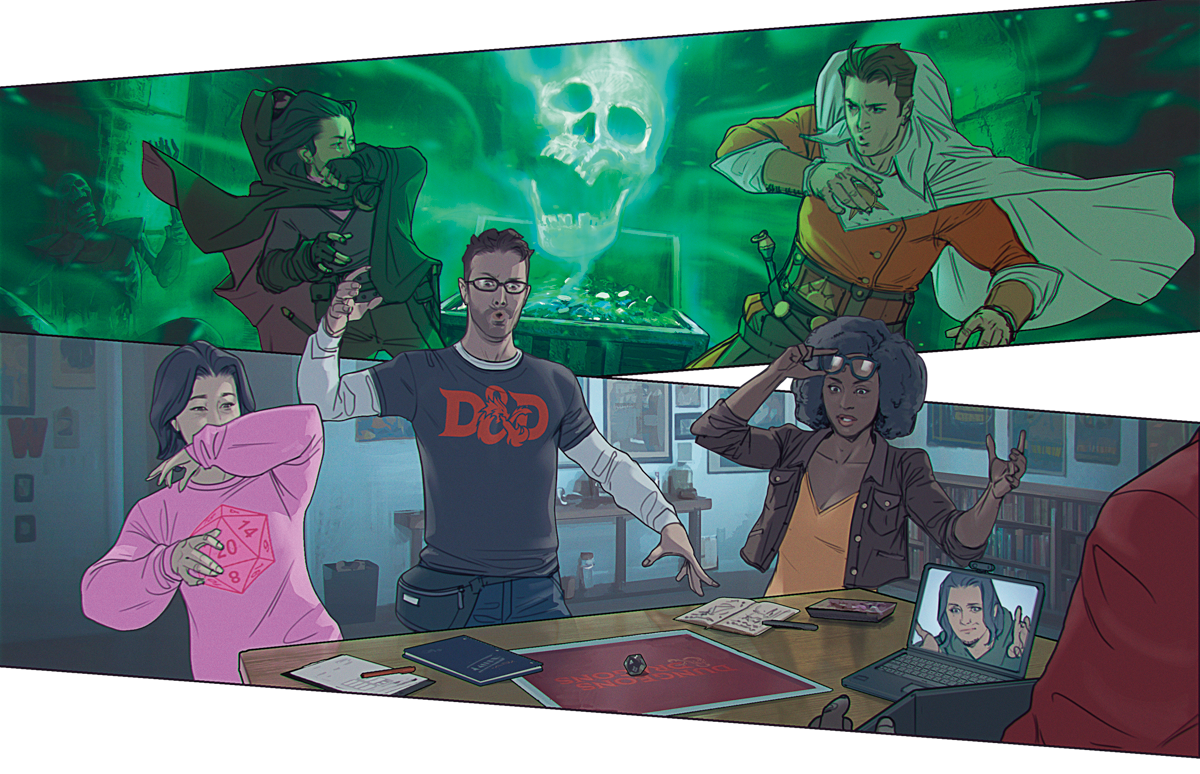
Before you start searching, it helps to know what you're looking for. A few decisions upfront will make the search faster and the game itself more enjoyable.
In-person vs. Online
They're called tabletop role-playing games for a reason. There is something timeless about sitting down to a physical table. But online play through a virtual tabletop like Roll20 opens up a much larger pool of potential tables, removes geography as a constraint, and makes scheduling significantly more manageable. While they're different experiences, both are valid ways to experience Dungeons & Dragons.
Strangers vs. People You Know
Playing with friends is comfortable, but it requires someone in your circle to be willing to run the game. Playing with strangers is how most people find their first table, and it's less awkward than it sounds. D&D has a way of turning strangers into regulars.
Experienced Players vs. Other Beginners
Joining a group that's entirely new to D&D means you're all figuring it out together, which has its own charm. Joining a table with experienced players means you'll learn faster, but you'll also be the newest person in the room. What matters most is finding a DM who is patient with new players and explicitly welcoming to beginners. That single factor shapes a first experience more than almost anything else.
How to Find a Local Game
If you want to play D&D in person, your local game store is the best place to start.
Most game stores that carry tabletop RPG products run regular game nights, and many host beginner tables specifically designed for people who have never played before. The staff tends to know the local gaming scene well -- who's running games, which groups are looking for players, whether there's a beginner-friendly DM worth seeking out.
Many local stores also run Adventurers League events. Adventurers League is the official organized play program for D&D, and it's designed specifically for drop-in play. Sessions are episodic and self-contained, typically running two to four hours, which means you don't need to commit to an ongoing campaign to participate. You can show up, play a session, and come back the following week -- or not. For a new player who isn't sure yet how much they want to invest in the hobby, it's a low-risk way to find out.
One thing worth knowing about AL: the format tends to lean more toward combat and mechanical challenge than toward roleplay and storytelling. If you're drawn to D&D specifically for the collaborative narrative side of the game, a dedicated group with a consistent DM may serve you better. As far as learning the basics and meeting other players in your area, AL is hard to beat.
You can find Adventures League resources and PDFs on Dungeon Masters Guild.
The official Wizards of the Coast store locator can help you find Dungeons & Dragons events and game stores near you.
How to Find a Game Online
Online D&D has expanded the hobby significantly. Players who live somewhere without an active local scene, or who simply prefer the flexibility of playing from home, have more options than ever.
Roll20: Looking For Group
Roll20's Looking For Group tool is one of the most direct ways to find an online game. Games are searchable by system, language, schedule, and experience level -- and there's a filter specifically for tables that welcome new players. You can browse open games and apply to join, or list yourself in the Player Directory so DMs looking to fill a seat can find you.
The Roll20 community forums also have an active Looking for Group board where DMs post open games directly. Many listings are tagged as beginner-friendly in the title, which makes it easy to find tables that have explicitly thought about new players.
The r/lfg subreddit is one of the largest game-finding communities online. Posts follow a standard format covering system, time zone, experience level, and what kind of game the DM is running, which makes it easy to find something that fits. The volume of listings is high, which means new tables form regularly. Searching for "D&D 5e" combined with your time zone and "new players welcome" is a good starting point.
The main Dungeons & Dragons subreddit r/DnD is less focused on finding games directly, but a useful place to get a feel for the community and occasionally find groups forming.
Discord
Discord hosts a large number of active D&D communities with dedicated game-finding channels. If you join us on the Roll20 Discord, there are several channels dedicated to finding games. The D&D Newbie Sessions Discord server is built specifically around the gap between new and experienced players, running beginner-friendly games that don't require a long-term commitment. The official D&D Discord server also has LFG channels with regular activity.
Facebook Groups
For players who are already on Facebook, D&D groups on the platform are more active than you might expect. The main Dungeons & Dragons 5th Edition Facebook group has nearly 180,000 members and includes a section for players looking for games. Most listings skew toward online play, though in-person games do appear.
Meetup
For in-person games specifically, Meetup.com's Dungeons & Dragons topic is worth checking. It's designed around local gatherings, and D&D groups in most mid-to-large cities maintain active listings there.
What to Do Once You Find a Game
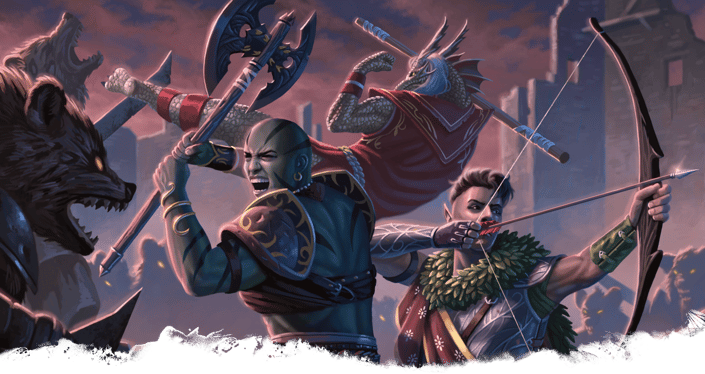
Tell the DM you're new before the first session. Most DMs who run beginner-friendly tables already expect this, but clear communication is good for everyone. It also takes pressure off new players who might otherwise feel like they're supposed to know everything.
If the group uses a Session Zero -- a meeting to align on expectations, character concepts, and table rules before the adventure begins -- take it seriously. It's where you find out what kind of game you're joining and whether it's the right fit. If something about the tone or content doesn't work for you, Session Zero is the right time to address that.
For your first adventure, keep your character simple. Straightforward classes like Fighter, Cleric, or Rogue let you focus on learning how the game works rather than managing complex mechanics. Bring a notebook. Arrive on time. Listen more than you talk at first -- you'll pick up the rhythm quickly.
Most importantly: you don't need to know the rules before you show up. Every experienced player at the table learned by playing, and a good DM will walk you through things as you experience them for the first time. The game is more forgiving to beginners than it sometimes looks from the outside.
Ready to Find Your Game?
Roll20's Looking for Group tool lets you filter for beginner-friendly games and apply directly from your browser. If you find a group and need to get up to speed on the basics first, our beginner's guide to D&D is a good place to start.